-
![]()
Argentina
![]()
Alexey Nosovsky
29 August 2025
An Argentine court ruled that a decree restricting citizenship by birth was unconstitutional
-
Changes to the UK tax regime: what’s new
The new 4-year tax regime in the UK. What will change for non-domiciled residents from April 6, 2025. Advantages and disadvantages of the new tax regime.
-
![]()
Thailand
Thailand is to attract wealthy foreigners with new visa programs
Thailand has developed a lucrative visa program to attract foreign investment. It is targeted at one million wealthy foreigners to become Thai citizens.
-
![]()
Croatia
Croatia to join the Schengen Agreement in early 2023
Official statement of the European Parliament: Croatia will become part of the Schengen area as of January 1, 2023. Also next year, Croatia will join the Eurozone and change its national currency from the kuna to the euro.
-
![]()
Spain
Impact of Spain’s law «On Startups» on the conditions for obtaining residence visas
The Law «On Startups», adopted on November 3, 2022 in Spain, makes adjustments to the process of obtaining residence visas for foreigners. Many new opportunities are opening up for applicants for a Spanish residence permit.
-
![]()
EU
Vanuatu
EU terminates visa-free regime with Vanuatu
The EU is pausing the possibility of visa-free entry into the Schengen Area from Vanuatu for security reasons. This decision was made because the government of the island failed to comply with visa agreements.
-
![]()
Portugal
Portugal may announce the closure of the highly demanded Golden Visa
The Portuguese government states that the goals of the Golden Visa program are no longer relevant and is considering options to end it. An official decision will be made after a thorough analysis of the situation.
-
![]()
Portugal
Operations with cryptocurrency in Portugal will be taxed in 2023
Taxes on cryptocurrency transactions in Portugal - a positive change in the policy of using digital currency. The reasons for the innovation and its benefits.
-
![]()
United Arab Emirates
The UAE offers new visa options to stay competitive
The UAE is opening up new visa options. The innovations include a Green Visa for freelancers and self-employed persons, as well as an extension of the Golden Visa category. The changes are aimed at increasing the popularity of the Emirates among wealthy foreigners.
-
![]()
Armenia
Armenia plans to issue passports to foreigners based on special merits or investments in 2023
Armenia plans to issue passports to foreign investors and people that have special merits before the state. Investment options for the applicant. Benefits of Armenian citizenship.
-
![]()
Canada
Canada approves record number of permanent residence applications in 2022 through Express Entry
Features of the Express Entry system. The results of the last selection. How often the authorities plan to conduct draws in the future.
-
![]()
Dominica
Changes in real estate fees and relocation terms with dependents in Dominica’s CIP program
Dominica has changed property fees along with relocation terms for dependents under the CIP program. In what ways will the changes affect applicants.
-
![]()
Australia
Australia reduced the number of visas for business innovators and investors by 88%
The number of visas Australia issues to business innovators and investors has been reduced by 88%. The backlog of applications is gradually decreasing. Plans are underway to increase the quota.
-
![]()
EU
USA
RCBI outlook in 2023
The future of the RCBI industry in 2023. Industry prospects and new trends in Europe. Obtaining a visa to the United States.
-
![]()
Spain
The Spanish Golden Visa is gaining popularity among investors
The reasons for Spanish Golden Visa popularity. Program details. Nationals of what countries invest in Spanish real estate more often.
-
![]()
United Arab Emirates
Dubai has brought together the highest number of RCBI companies: the annual market review
Overview of international RCBI companies, dynamics of changes for the last 18 months. Countries with the maximum number of registered RCBI firms. First-ranked companies specializing in residency and citizenship programs by investment.
-
![]()
New Zealand
New Zealand has launched the Active Investor Plus visa
The launch of the new category of investment visa Active Investor Plus. Basic requirements for investors making direct and indirect investments in New Zealand businesses.
-
![]()
Albania
Albania seeks international company to promote CBI
The Albanian government approved concession contracts under the citizenship by investment program. EU response to Albania's CIP as a candidate country for accession to the Union.
-
![]()
Canada
Canadian province of Alberta launches new immigration program
The Alberta government has announced the launch of the Accelerated Tech Pathway program. It will allow members of the tech jobs to get a Canadian permanent residency in 6 months with a job offer from a company located in the province.
-
![]()
United Kingdom
Adapting your business for Innovator and Start-up visas in the UK
Entrepreneurs who want to apply for the Innovator Visa and Start-up visa must have a competent business plan, pass the vetting of the approving bodies, as well as have the start-up capital and means to live in the UK.
-
![]()
Montenegro
Montenegro – a promising country for second citizenship applicants
There is a program called The Montenegro Economic Citizenship Program for foreigners, wishing to become citizens of Montenegro, which has been operating since January 2019. The country provides investors with favorable conditions for living, working, doing business and recreation.
-
![]()
Dominica
Dominica’s 2022 CBI program is rated the best in the world
Dominica came in first in the ranking of citizenship investment programs. Grenada and St. Lucia were also in the top 3. The CBI ranking entails evaluating the schemes on 38 points.
-
![]()
Turkey
The cost of Turkish citizenship by investment rose to 400,000 USD: How will it affect the program
The Turkish government has raised the minimum threshold for obtaining citizenship by purchasing real estate - now the required amount of investment is 400,000 USD instead of 250,000 USD. Such a decision is justified and will increase the popularity of the program.
-
![]()
Portugal
Immigration Office of Portugal resumes accepting applications for Golden Visas
Portuguese Immigration and Borders Service (SEF) has resumed accepting applications for the Golden Visa program. The process was suspended at the end of 2021.
-
![]()
Turkey
The cost of real estate in Turkey in 2022: growing prices and demand
The cost of real estate in Turkey in 2022. Why are the prices of Turkish apartments, houses, cottages and apartments rising. Is it worth buying property in Turkey now.
-
![]()
Montenegro
Montenegro grants citizenship to Ethereum founder Vitaly Buterin
The Minister of Interior of Montenegro decided to grant citizenship to Vitaly Buterin at the initiative of the Prime Minister of Montenegro. According to the Minister of Finance, this will have a positive impact on the development of the state economy.
-
![]()
Turkey
Turkey’s tourism crisis: 704 hotels up for sale
Turkey's tourism industry is in crisis due to the outflow of foreigners and problems in the national economy. Hundreds of hotels located in the resort areas of the country are for sale. The main reason for the crisis is the war between Russia and Ukraine.
-
![]()
World
The international law company iWorld has created its own NFT collection
The international law company iWorld has for the first time registered its brand ID in the form of a collection of NFTs. What is NFT and how it is used. The users of the company will get some of the tokens as a gift.
-
![]()
Canada
Canada has updated the guidelines for the Entry/Exit Program
The Canadian government is amending the Entry/Exit Program.
-
![]()
Ireland
«Once in a generation» citizenship program has been launched in Ireland
The Irish government will allow unregistered immigrants and their family members to obtain Irish citizenship. Foreigners who have been living in Ireland illegally for four years or more will be able to participate in the program.
-
![]()
Canada
Changes that will affect Canadian international students
The statistics office released a study showing an increase in the number of participants in Canada's work permit program after graduation. The government also provided new guidelines on how to obtain a study permit for applicants from visa-free countries.
-
![]()
Canada
Over 2021, 9,000 applications were approved under the Ontario Immigrant Nominee Program
The Ontario government has announced that it has reached the limit in the provincial immigration program for 2021. It is possible to apply for 10 streams, but as early as 2022.
-
Southeast and EU countries take the lead in the new passport ranking
A new Henley Passport Index ranking has been published, with Japan and Singapore in the lead. The top 25 also includes countries of the European Union, the UAE, Israel, and the United States.
-
![]()
Bulgaria
The Bulgarian Cabinet of Ministers passed a bill abolishing the RBI program
January 12, 2022 the Council of Ministers of Bulgaria adopted a bill abolishing the program for the issuance of residence permits by investment, further it will be considered in Parliament. The reason was the lack of actual investment in the state economy.
-
![]()
Malta
Malta has issued more than 2,000 residence permits to investors
Agency Residency Malta provided data on the issuance of residence permits by the Maltese investment program, according to which the share of Russians among the recipients was 2.6%. Also, the agency is preparing a program for businessmen planning a long-term residence in Malta.
-
![]()
United Arab Emirates
International B2B conference InvestPro UAE Dubai 2022
Bosco Conference invites you to participate in the ninth international B2B conference InvestPro UAE Dubai 2022, which will be held on February 9, 2022 at the premium hotel The Oberoi Dubai.
-
![]()
Turkey
Turkey announces major changes in the law on citizenship by investment
On January 6, 2022, a new amendment to the Turkish Citizenship Law was published in the official newspaper of Turkey. Now, foreigners will not be able to make investments in Turkish lira - the amount must be provided in foreign currency.
-
![]()
Australia
The immigration by investment program in Australia has set a record
The BIIP, Australia's investment immigration program, received the highest number of applications in FY 2020-2021. The maximum number of approvals under this program were for Chinese, South African and British nationals.
-
![]()
World
Pandemic spurs self-employed IT professionals to immigrate
The pandemic had a positive impact on the migration of self-employed IT professionals. The number of countries offering relocation programs for this category of job seekers has increased. This trend is expected to continue in 2022.
-
![]()
United Arab Emirates
The conference InvestPro Online 2022 — Dubai Preview
Dear friends, we invite you to participate in the international conference InvestPro Online 2022 — Dubai Preview, which will be held on January 26 and run from 2p.m. to 5p.m. (Kyiv time). High-profile entrepreneurs from different countries will share their professional experience with you.
-
![]()
Germany
Germany plans to revise its citizenship law in 2022
The German government has announced significant changes to the current law on citizenship. It is expected that foreigners will soon be able to obtain a German passport in three years instead of ten, as it was before.
-
![]()
Canada
Immigration system is undergoing change in Canada
Canadian Prime Minister, Justin Trudeau, has unveiled the country's new immigration priorities. The head of government intends to speed up the processing of applications from immigrants, as well as to abolish all fees for Canadian citizenship applicants.
-
![]()
World
Golden Visa program results of 2021 in 5 charts
In 2021, a number of European countries spurred the inflow of funds into the economy through the «Golden Visa» program. The growth of interest in investment immigration was noted among U.S. citizens, while representatives of China began to apply for residence less actively.
-
![]()
Montenegro
Citizenship by investment program in Montenegro extended for one year
The Government of Montenegro has announced the extension of citizenship by investment program for one more year. At the same time, changes were made to the existing program on bank guarantees and the amount of investment.
-
![]()
Portugal
Americans outpaced Chinese investors in the number of Portuguese Golden Visas
In November 2021, the number of U.S. investors who received a Golden Visa for Portugal exceeded the number of approved applications for Chinese citizens. According to the Border Patrol, investors are more likely to choose alternative investment options to buying real estate.
-
![]()
Portugal
New conditions for obtaining the Portugal Golden Visa in 2022
Since the beginning of 2022, the conditions for obtaining the Portugal Golden Visa will change. The amendments limit the purchase of residential real estate, provide discounts for foreigners, as well as an increase in the value of investments in funds, researches and existing businesses.
-
![]()
Grenada
Unbelievable surge in demand for Grenada passport at the end of 2021
By the end of 2021, experts recorded an unbelievable surge of interest in Grenada citizenship program by investment. The increased attention to the Caribbean passport is explained by the simplicity of its legal processing.
-
![]()
United Kingdom
What is known about Global Business Mobility visas for entering the UK
The Global Business Mobility visa is scheduled to launch in the spring of 2022. The permit should simplify the process of transferring workers from foreign companies to the UK. What innovations should be expected and who will benefit from it.
-
![]()
United Arab Emirates
UAE will issue visas to retirees
The government of the United Arab Emirates has approved a program for issuing long-term visas to retirees. Real estate owners and wealthy individuals with a certain level of income will be able to obtain such a permit.
-
![]()
France
Pavel Durov, IT specialist and businessman, became a French citizen
The French authorities released information that Pavel Durov became a citizen of the Fifth Republic. The media confirmed, that the age and place of birth coincide with the data of the founder of «VKontakte» and «Telegram».
-
![]()
Salvador
El Salvador Golden Visa will cost 100,000 USD instead of 3 bitcoins
El Salvador's President Nayib Bukele has announced plans to build Bitcoin City and confirmed changes to the Golden Visa program. The minimum investment will be 100,000 USD instead of the previously announced 3 bitcoins.
-
![]()
Dominica
Dominica and China have signed an agreement on visa-free travel
Representatives of Dominica and China have concluded an agreement on the mutual lifting of the visa regime between the states. This event will increase the demand for citizenship of the Caribbean country.
-
![]()
EU
The EU began to regulate the CBI and RBI schemes
The new EU immigration policy aims to regulate citizenship (CBI) and residence (RBI) programs by investment. EU member states plan to tighten the requirements for wealthy foreigners.
-
![]()
Thailand
Thailand launched a new visa program for wealthy foreigners
Thailand has announced the launch of a new visa program for wealthy foreigners. Now, foreign businessmen, investors and talented professionals from various fields will be able to stay in the country for 10 years.
-
![]()
USA
E-2 visa: a fast-track for becoming a legal resident of the U.S.
One of the most popular and reliable ways of entering the U.S. is the E-2 visa, recognized by experts. The number of applications for this investment visa increases every year, as its registration provides minimal legal restrictions.
-
![]()
World
Bosco Online Marathon 2021 for investors and businessmen
The international Bosco Online Marathon will be held on December 7-9, 2021. The main topics of the event are profitable investing, economic immigration, and doing business abroad.
-
![]()
United Arab Emirates
UAE introduces Green Visa for investors and businessmen
UAE authorities announced the launch of a new migration route Green Visa, which should attract foreign businessmen and investors. The conditions for obtaining a visa have been simplified as much as possible.
-
![]()
United Arab Emirates
Fashion designer Giorgio Armani has obtained the UAE Golden Visa
The famous Italian fashion designer Giorgio Armani became a resident of the UAE. The well-known businessman received a Golden Visa under the program, which has been in effect since 2019, attracting investors and prominent specialists to the country.
-
![]()
Portugal
The world’s largest technology conference, Web Summit 2021, was held in Lisbon
The Web Summit 2021 conference was held in Lisbon. Leading representatives from Apple, Facebook, Microsoft and Reddit discussed the future of the planet via innovations. Find out what they have talked about.
-
![]()
United Arab Emirates
Expo 2020 Dubai – a grand parade of innovations and achievements of mankind
The Expo 2020 has kicked off in Dubai. Mission and objectives, structure and opportunities. How to visit the exhibition. A unique gift to the exclusive partners of iWorld.
-
![]()
Portugal
Changes in the Portugal Golden Visa Program in 2022: the procedure for investors
Learn about the changes in the conditions of the Portuguese Golden Visa program, which will take effect on January 1, 2022. How the requirements for investments and acquired real estate will change.
-
![]()
Greece
The Greek law on immigration by investment was amended
The Greek parliament considered a new bill to amend the national investment immigration program. As a result, parliamentarians decided to reform the existing program to include digital nomads.
-
![]()
Italy
Residence permit by investment in Italy at the time of the Covid-19 pandemic
The Covid-19 pandemic had a significant impact on the Italian immigration market. The government of the country decided to review the conditions for obtaining residency for foreigners in order to speed up the recovery of the national economy.
-
![]()
Australia
Australia introduces changes to programs for investors and businessmen
The Business Innovation and Investment Program (BIIP) is an important part of the plan to recover the Australian economy from the effects of the global pandemic.
-
![]()
Malaysia
Malaysia has renewed the visa program for wealthy foreigners
Malaysia has decided to re-issue long-term visas to wealthy foreigners under the MM2H program, increasing the minimum entry amount. The country's entry permit conditions are aimed at skilled professionals and retirees from the developed countries.
-
![]()
United Kingdom
The UK opens visas for talented professionals
UK is going to increase the number of visa programs to attract talented professionals from other countries. By doing so, the kingdom plans to strengthen the economy and restore its position in an innovation market that has survived the pandemic.
-
![]()
Canada
Canada has increased the number of permanent residents during the pandemic
The Canadian government grants permanent residency to foreigners living in the country during the pandemic. To support the state's economy, the authorities have increased the limit on permanent residency for applicants from all over the world.
-
![]()
United Arab Emirates
Foreign doctors can apply for a «golden» visa in the UAE
The United Arab Emirates has launched a program that allows foreign doctors and their families to obtain residence permits. The government offers residency to talented professionals for up to 10 years.
-
![]()
USA
U.S. Congress introduced a new type of visa for entrepreneurs
A new LIKE bill, proposed for consideration by the U.S. Congress, introduces a new category of visas for foreign entrepreneurs. Business innovators, as well as their family members, will be able to obtain residence for up to 3 years.
-
![]()
Thailand
Thailand relaxes visa controls for foreign tourists
The Thai government has launched the Phuket sandbox immigration program, which allows tourists from many countries to visit the island of Phuket and other regions. Restrictions apply only to travelers, who have not been vaccinated against COVID.
-
![]()
World
Lifting visa restrictions due to COVID-19: where you can travel
Many countries are beginning to lift visa restrictions for visitors from other countries. Authorities are changing their minds on immigration policy in order to support the economy and boost the tourism industry.
-
![]()
Canada
Canada launches a lottery: the kin of country residents have a chance to get a residence permit
In the fall of 2021, the Canadian government will hold a lottery in which 30,000 applicants will be able to invite their parents and grandparents to live in the country under a residence permit.
-
![]()
Saint Kitts and Nevis
St. Kitts and Nevis passport recognized as the most powerful in the Caribbean
The St. Kitts and Nevis passport, according to Henley & Partners, outperformed other Caribbean passports under the Citizenship by Investment Program (CBI) for foreigners.
-
![]()
Mexico
Immigration by Investment in Mexico: Unlocking the Country’s Potential
Mexico has the potential to become a lucrative destination for investment immigration. That' s what will happen, if global marketing companies pay proper attention to unlocking the state' s potential.
-
![]()
World
Advantages of owning real estate abroad
Buying property abroad provides its owner with additional income, eliminates taxes, provides a chance to get a residence permit in many countries around the world, and many other privileges.
-
![]()
New Zealand
New Zealand prolongs the validity period of Essential Skills Work Visa
Immigration New Zealand has simplified the process of obtaining Essential Skills visa for foreign workers. Its validity will now be two years instead of one, as it used to be.
-
![]()
Saint Kitts and Nevis
IMF statement: The way CBI has supported the economy of St. Kitts and Nevis
The economy of St. Kitts and Nevis has remained stable thanks to the CBI budget fund. This was reported by the IMF in its latest statement. The Fund also gave recommendations to the authorities of the country on further recovery of the economy.
-
![]()
United Kingdom
UK launches new immigration program for students
The UK Home Office has announced the launch of the Graduate route program for university graduates. Now young people, who studied at universities in the UK, will have more time to find a job under the program.
-
![]()
World
The number of High-Net-Worth Individuals in the world is growing despite the pandemic
The global HNWI community keeps growing, as does its wealth, despite the COVID-19 epidemic. The Capgemini Research Institute reports that affluent citizens live mostly in the U.S., Germany, Japan, and China.
-
![]()
Costa Rica
Costa Rica has passed a law aimed at increasing the inflow of foreign investment
The President of Costa Rica has signed a new law under which foreign investors, rentiers and retirees with a high level of income will be able to obtain a residence permit of the country in exchange for investment.
-
![]()
Netherlands
Curaçao updates the requirements for investors to obtain Dutch citizenship
The government of the Dutch island of Curaçao is reviewing the terms of the immigration program for foreign investors to bring in more applicants. Wealthy foreigners will now be able to invest in a DCSX-registered firm.
-
![]()
World
Dual citizenship and tax cuts: is there a connection?
Having a second passport implies a number of benefits for its owner. Thus, a dual citizengets the opportunity to reduce tax rates and choose a simplified tax strategy.
-
![]()
Oman
Oman offers foreign investors a new residence permit program
The authorities of Oman have announced the launch of a new immigration program for foreign investors. Applicants will be able to obtain a residence permit in the state for a period of up to 10 years.
-
![]()
United Kingdom
The UK has accepted 5.6 million applications under the Settlement Scheme program
The UK authorities are working hard to process applications from foreigners under the EU Settlement Scheme emerged from Brexit. Hundreds of thousands of residents have been granted settled and pre-settled status.
-
![]()
EU
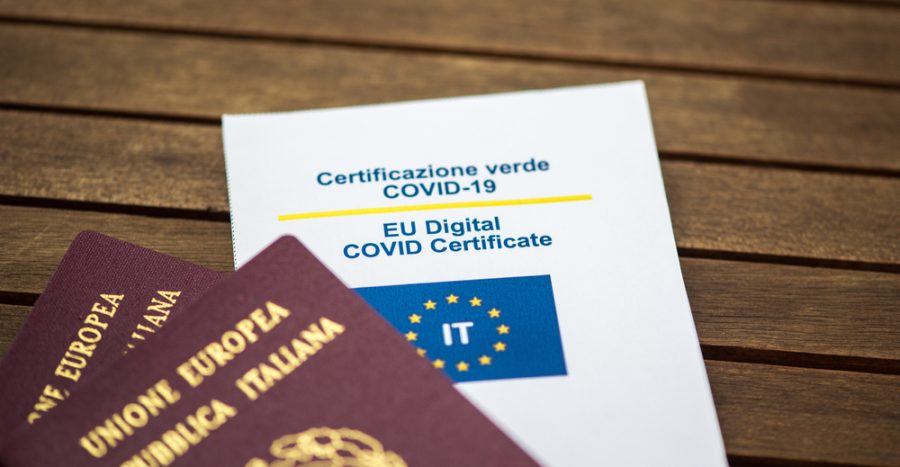
17 EU countries will issue vaccination passports to tourists
Currently, the Covid Certificate is valid in 17 European countries, which gives tourists more opportunities to travel. The use of such a document contributes to the recovery and development of immigration processes.
-
![]()
Canada
Hong Kong residents will get new opportunities for permanent residency in Canada
The Canadian government has announced the launch of two new permanent residence programs for talented people from Hong Kong, already living in the North American state. The programs are for newly graduated students and skilled workers from Hong Kong.
-
![]()
Malta
New type of residence permit in Malta for remote workers
According to the country's junior minister for citizenship, Malta provides a new way for foreigners to obtain visas. Entry permits will be issued to remote workers.
-
![]()
Panama
Panama has introduced two new visa programs
The Panamanian government plans to introduce a new visa for remote workers, as well as change the visa conditions for friendly nations.
-
![]()
United Kingdom
New British visas for businessmen and international talents
New UK visa policy. Additional visa directions for businessmen and qualified specialists. Permits to enter the United Kingdom for students, scientists and doctors.
-
![]()
World
Investment immigration has become a trillion-dollar industry
Investment immigration brings enormous profits. RCBI-industry positively affects the economies of many countries. More and more investment programs for different categories of immigrants are emerging worldwide.
-
![]()
Canada
Canada increases quota for TR2PR immigrants
In May 2021, Canada launched an updated immigration bill with multiple streams. Under the program, 90,000 applicants will be able to obtain permanent residence in the country.
-
![]()
USA
U.S. resumes startup visa for foreign businessmen
The United States authorities intend to support innovative projects of businessmen and provide them with startup visas. The International Entrepreneur program in the U.S. for foreign entrepreneurs will come into force again.
-
![]()
Thailand
New Thai government immigration rules for foreigners
The Thai government has announced the adoption of new immigration rules for foreigners by the end of 2021. The changes will affect the procedure of issuing visas, employment and residence registration for freelancers and financially independent persons.
-
![]()
New Zealand
New Zealand wants to increase the inflow of migrant investors
New Zealand Investment Immigration. New trends in the immigration policy of the country. Residence permits for students and workers. Dialogue with social organizations about the situation in the labor market.
-
![]()
World
Most powerful passports in the world are covered in a new IATA report
There is a rating of countries, the passports of which have become the most in demand in 2021. The leaders are Asian and EU countries, as well as the U.S. and Britain, providing foreigners with favorable conditions for tourism, investment and other purposes.
-
![]()
Canada
Canada announced the launch of a new permanent residency program
Foreign health care workers, as well as employees of a number of other important professions, can take advantage of a new permanent residency program in Canada. Applicants will be accepted starting May 6 until November 6, 2021.
-
![]()
World
Cryptocurrency in the RCBI industry: increasing the importance of virtual money
The role of virtual funds is constantly being re-evaluated. Certain island states are willing to use cryptocurrency legally and grant foreigners residency or citizenship by cryptoinvestments.
-
![]()
Malaysia
The Malaysia visa program My Second Home resumes soon
The Malaysian government has twice suspended the MM2H visa program. Now, the conditions are being re-evaluated by KPMG experts so that the Government can re-approve the project.
-
![]()
Turkey
Turkey is in the spotlight among immigrant investors: the number of applications is surging
Over the past 2 years, Turkey has provided residence permits and second passports to a great number of foreign investors. The demand for these immigration services among applicants has doubled.
-
![]()
Vanuatu
Vanuatu prepares to make long-awaited changes to its CBI program
It will soon be possible to obtain a passport of the Republic of Vanuatu by investing in real estate. The consideration of the updated Vanuatu Citizenship Bill will take place soon.
-
![]()
EU
United Kingdom
Documents for residence in the EU will be invalid from July 2021
As the United Kingdom exits the European Union, in the summer of 2021 foreigners will no longer be allowed to travel freely within the EU. To make their presence in the United Kingdom legal, immigrants are required to apply for permanent status.
-
![]()
Bulgaria
What has changed in the conditions for granting Bulgarian citizenship to foreign investors?
The Bulgarian Parliament has introduced a renewed Citizenship by investment program, granting citizenship to foreign investors. There are several ways to invest, as well as the possibility of obtaining citizenship through an accelerated procedure.
-
![]()
USA
U.S. H-1B visa is available again for skilled IT specialists
The U.S. H-1B visa for migrant workers is once again available for processing. Today, more and more foreigners are considering this visa as one of the ways to move to the United States.
-
![]()
World
«The War for Talent»: Developed Countries Need Skilled Personnel from Around the World
The pandemic has triggered a change in the migration process. Big companies are short of qualified personnel. This is exactly what makes the issuance of temporary residence permits, permanent residence permits and citizenship especially relevant.
-
![]()
United Kingdom
Changes to England’s immigration rules (NS 1248): terms of programs for 2021
The British government is planning changes to the country's immigration system as from April 2021. The changes in the law will affect employment and education.
-
![]()
North Macedonia
North Macedonia will soon offer citizenship by investment
North Macedonia is about to introduce the possibility of obtaining citizenship for investment to wealthy foreigners. The country has created an excellent microclimate for doing business thanks to lenient taxation and simple company incorporation.
-
![]()
Montenegro
Montenegro no longer offers citizenship for investment
One can obtain the citizenship of Montenegro by investment until the end of 2021. The country's government has decided to terminate the CBI program, guided by the recommendations of the European Commission.
-
![]()
USA
Increasing the number of green cards: Biden’s immigration law
The number of green cards will increase under Joe Biden's new bill. The number of scientists, researchers, managers, and professionals with unique skills will greatly rise among the immigrant population.
-
![]()
EU
Digitalization of visa procedures: keeping up with the times!
Citizens of the European Union and administrative bodies can become participants in a public consultation, conducted by the European Commission on March 11 to June 3, 2021. Authorities want to get public opinion on the digitization of visas.
-
![]()
United Arab Emirates
It is the first time that the UAE will give foreigners the opportunity to buy citizenship
Highly qualified employees from other countries may obtain a passport in the United Arab Emirates for special skills, achievements or merits. The new legislation was announced by WAM on January 30.
-
![]()
United Kingdom
The graduate program will open to international students on July 1, 2021
Britain has developed a Graduate Program for representatives of other nations, who have been educated at British universities. British Minister Kevin Foster says, that starting in July 2021, bachelors and PhD students can obtain a British...
-
![]()
USA
The US Embassy in Russian Federation resumed the acceptance of tourist visa applications on March 1
Russians will be able to apply for American visas again since the beginning of spring 2021. This is reported by the press service of the U.S. Embassy in the Russian Federation.
-
![]()
Canada
Quebec is launching new programs for immigrants
The Canadian province of Quebec is planning to open up new immigration programs for international skilled professionals. Read more about how the projects will function, as well as the reasons for the decision and the conditions for participation.
-
![]()
Canada
Canada’s Immigrant Admissions 2021-2023: New Government Plan Approved
The Canadian government has presented an updated immigration plan for 2021-2023. The number of slots for federal, provincial and pilot immigration programs has been increased.
-
![]()
Malta
New conditions of the Malta Golden Visa Program (MRVP): changes in 2021
The immigration program will be relaunched by the Maltese government in March 2021. The updated requirements will be legalized and presented in the Gazette.
-
![]()
Canada
Immigration to Canada: a bright future, despite the COWID-19 challenges
The Canadian government will continue inviting foreigners for employment to support the country's economy after the pandemic.
-
![]()
United Kingdom
Work, Study, Brexit: Britain’s new immigration system in action
The UK will be accepting applications for skilled worker visas from January 2021. Representatives of EU states should meet the same conditions as citizens of other countries due to Brexit.
-
![]()
Portugal
Portugal will grant citizenship by birth: how residents wll benefit from it
Children, born in Portugal to immigrant parents, will be able to obtain the country's internal passport by the right of soil. The changes in the law are reported by the newspaper Diário da República.
-
![]()
Australia
Australia changes terms of business and investor visas of July 1, 2021
On July 1,2021, changes to Australia immigration law take effect.The amendments concern the number of visa categories,the amount of investment required for business innovators, the investment period and the time to obtain permanent residence permit.